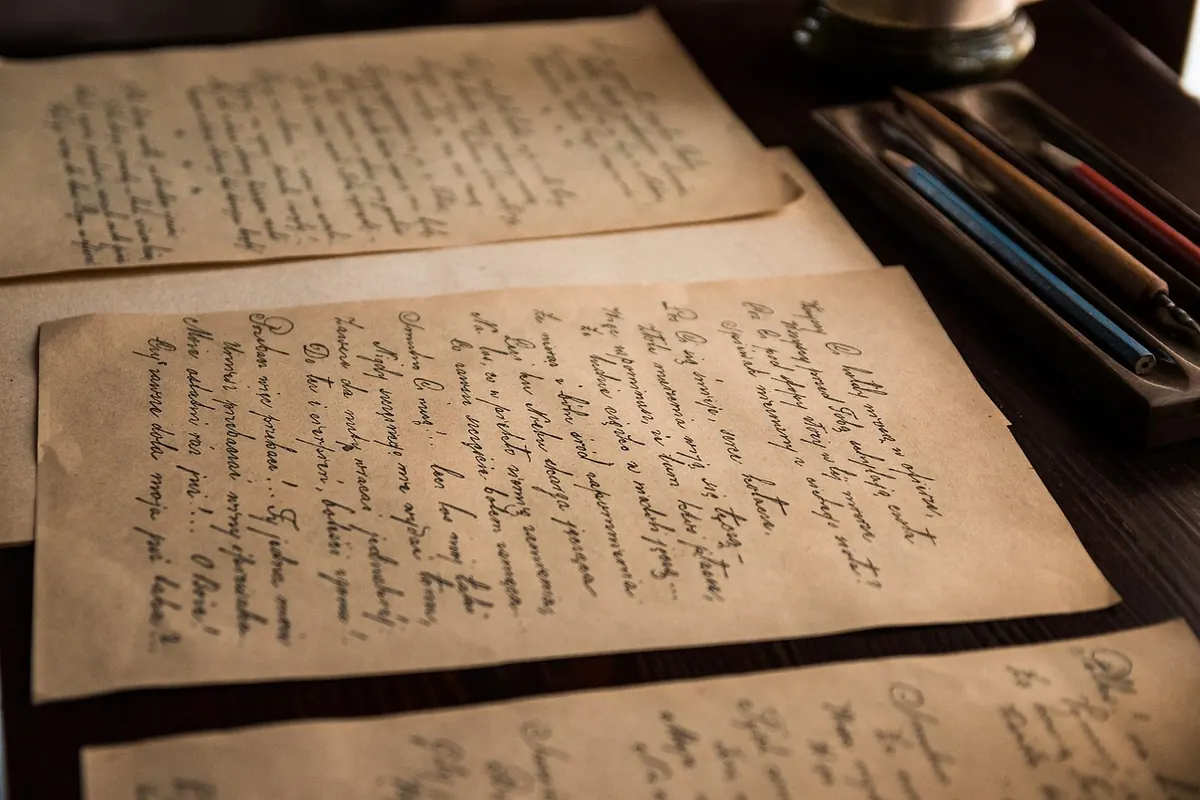
Two calendars governed a medieval monastery, and they rarely agreed. The first was liturgical: an unbroken round of offices beginning in darkness and ending in darkness, measured by bells rather than by clocks. The second was agricultural, answering to frost, rain, and the length of daylight. A monk who could chant the psalter faultlessly might still be sent out to mow a waterlogged meadow, and the cellarer who balanced his accounts to the last penny needed to know exactly how much salt next winter's bacon would take. What follows is the working year of a typical western house, Benedictine or Cistercian, assembled from monastic rules, customaries, and the farm buildings that still stand.
January and February: The Work Turns Inward
Short days and foul weather pushed most of the workforce under a roof. In the barn, threshers beat grain from the straw with flails; others winnowed it, sorted the best as seed corn, and stacked the rest for the mill. In the workshops, ploughs were repaired, harness patched, tools rehafted, fish nets mended, and cart wheels greased. Brewing continued through the cold months, since ale soured quickly and had to be made in small, frequent batches.
Outdoors, the hedging and ditching gangs were busy. Hawthorn and blackthorn were laid between autumn and early spring, while the sap was down and the wood would bend without splitting. Willow and hazel were coppiced for hurdles, baskets, and firewood. Candlemas on 2 February marked the turn of the year: the supply of wax candles was blessed and counted, and on the lighter soils the first ploughs went out.
The Rule of St Benedict dealt with the short days directly. From October until Lent, the brothers were to give themselves to reading until the third hour, and in Lent each received a book from the library to work through. Winter was a reading season, and the library was as much a part of the year's machinery as the barn.
Idleness is the enemy of the soul.
Lent and the First Sowing
Ash Wednesday rewrote the kitchen's entire schedule. Lent meant one meal a day, taken toward evening, without the flesh of four-footed animals; in the stricter houses, eggs and dairy went too. The refectorer and the weekly kitchen servers had to plan for smaller portions and humbler dishes while keeping the whole community fit for work.
The fields, meanwhile, demanded spring corn. Ploughing, harrowing, and sowing of oats, barley, peas, and beans filled March and early April, followed by rolling and, later, weeding. Ewes were watched day and night through lambing; weaklings were carried into the fold and hand-fed.
Lady Day, 25 March, was a hinge of the business year: rents fell due, servants were hired, and tenants moved. Holy Week then consumed the community's attention — long night offices, the washing of feet on Maundy Thursday, and almsgiving at the gate. Even so, someone still had to feed the guests and the poor. Before Ascension, the Rogation processions walked the parish and monastic bounds, blessing the fields and, usefully, fixing in everyone's memory where the boundary stones lay.
Hay, Wool, and the Long Light
From May to July the monastery worked with the sun. Meadows were mown, turned, cocked, and carted to the loft; a wet fortnight could ruin the winter fodder, so every dry hour counted. Sheep were washed in a pool or river and then shorn, usually in June, and the wool clip was the cash crop of many houses, sold to merchants and at fairs. Cattle and sheep moved to summer pasture, and the dairy turned milk into butter and cheese that would keep.
The Rule relaxed in the good months. From Easter until mid-September the community ate twice a day, and customaries often record a midday mixtum — bread and drink — for those at heavy labour. The abbot's discretion governed it: the Rule asks that allowances match the work, the season, and the weakness of the worker.
Harvest and the Reckoning
August and September were the year's peak. Reapers worked along the strips with sickles, binders tied sheaves, and the crop was stooked, dried, carted, and stored. Tenants were called in for boon work; the poor were allowed to glean behind the carts. The mill ran from first light to last.
Michaelmas, 29 September, closed the farming year with paperwork as much as grain:
- Lady Day, 25 March — rents due, servants hired, spring sowing under way.
- Midsummer, 24 June — shearing, wool sales, and the settling of some tenancies.
- Michaelmas, 29 September — harvest tithes, accounts, hiring fairs, fattened geese.
- Christmas, 25 December — rents and services due again, in the coldest week of the year.
The cellarer, the granger, and the other obedientiaries presented their accounts around this time, answering for every bushel and every penny. A monastery that could not count could not eat.
Slaughter, Salt, and Storage
Martinmas, 11 November, brought the killing. Pigs were slaughtered and salted, smoked, or turned into brawn; cattle and sheep were killed and salted for the winter pots; geese and fowl were fattened. Barrels of salted herring arrived from the autumn fisheries, and dried fish came from further north. Orchards were picked and pressed into cider and perry; where vines grew, the vintage was gathered in September and October.
All Saints and All Souls brought remembrance, almsgiving, and ceremony. Practical work continued: wood gathered and split, ditches cleared, tools mended, tallow candles dipped, and rushes cut for flooring and lights. From the Kalends of October the community returned to reading after the evening meal, which is why so much monastic reading happened by candlelight in the cold.
Advent, Christmas, and the Narrow End
Advent brought fasting, shorter rations, the great "O" antiphons, and long night offices in a freezing church. Then, at Christmas, the pressure reversed. The season's twelve days were the year's chief feast: better bread, more wine, extra dishes, and a relaxation of the rule, with the abbot's judgment keeping the balance. The almoner distributed food and clothing at the gate, and guests had to be lodged and fed.
Outdoor work narrowed to threshing, brewing, mending, and carting. But the next agricultural year had already begun in the mind: seed corn was chosen, ploughs inspected, and the frost-breaking of the heavy clay fields awaited the first mild spell.
How to Follow This Year for Yourself
You do not need a time machine to trace the pattern. Start with the Rule of St Benedict, chapters 39 to 41 on food and 48 on daily work — they are short and they explain why the timetable shifts. Then find a published monastic customary, such as the customary of a medieval English house, which lists duties, allowances, and feast days in detail.
Anchor the year on the fixed feasts: Candlemas, Lady Day, Midsummer, Michaelmas, Christmas. Work outward from each one and you will see the tasks cluster around them. Remember that Lent and Easter move, so the whole rhythm bends each year — this is why monastic calendars were checked annually rather than simply inherited.
Finally, look at the buildings. Surviving monastic barns, granges, dovecotes, fishponds, mills, and brewhouses are the year's ledger written in stone. Walk through one and you can read what the community expected to harvest, store, and eat. The bells set the hours; the land set the work.
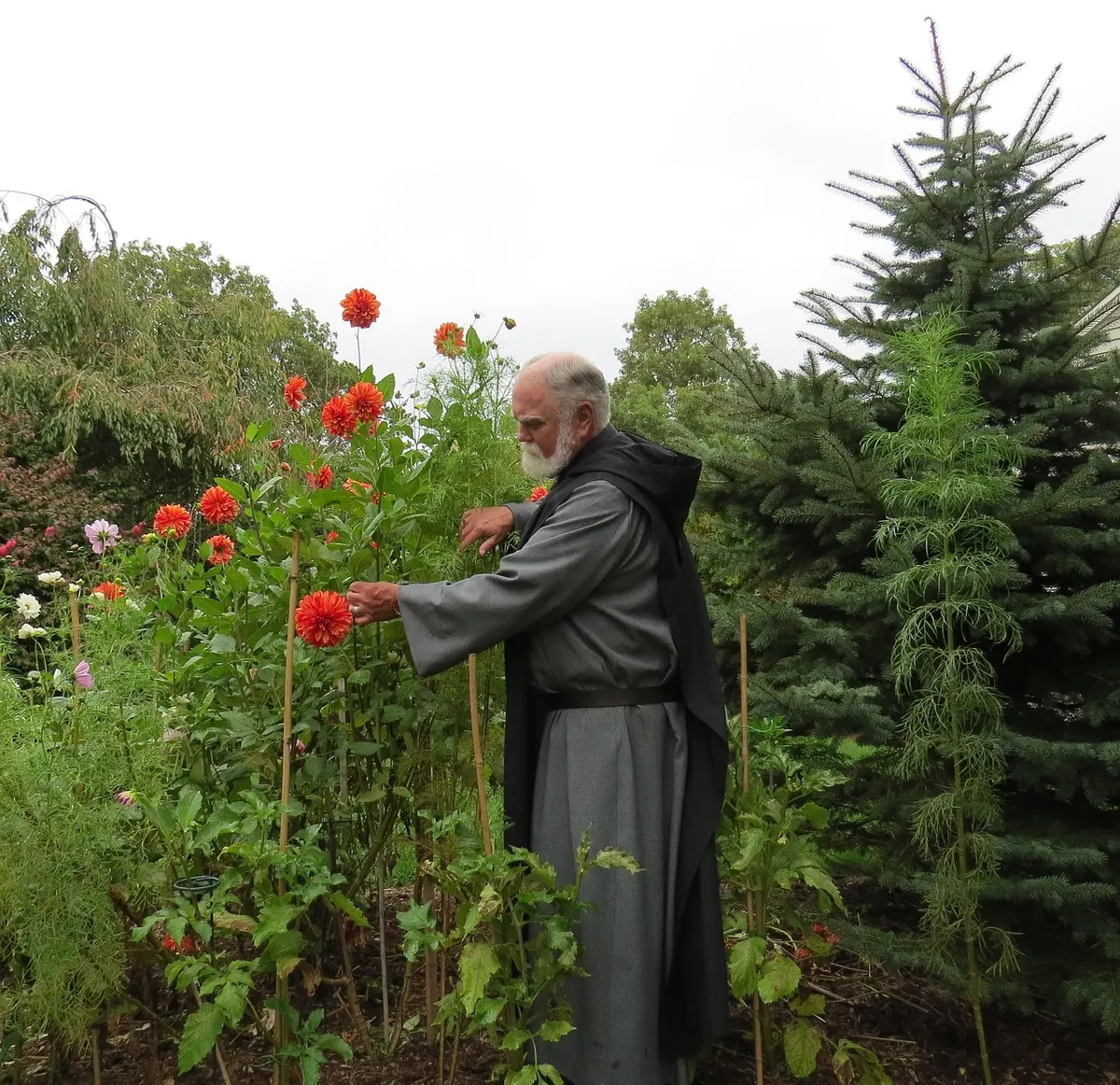
Photo: capecodprof / Pixabay